

samsparadisevape
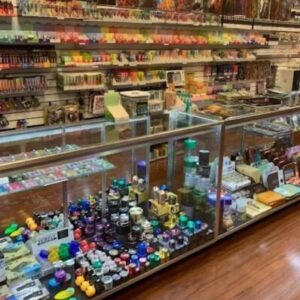
Welcome to Sam’s Paradise Vape and Smoke! We are a one stop shop for all your Smoking, Vaping, CBD, Hookah, and Delta 8 needs. We carry a multitude of products that range from Water Pipes, Delta 8, Vapes, E-Liquid, Coils, CBD, Hookahs, Shisha, and much much more.
Organizer (1)
- Organized by
-
-

A Consumer’s Guide to Decoding Botanical Lab Reports
-
Discussion
-
The rapid expansion of the botanical wellness market has provided consumers with an incredible array of natural options. However, this boom has also brought a wave of inconsistent and sometimes unregulated products to the shelves. For anyone seeking to incorporate natural hemp extracts into their daily routine, verifying the purity and potency of what you are consuming is absolutely vital. This is where understanding third-party laboratory reports, or Certificates of Analysis (COAs), becomes your most powerful tool. When you visit a reputable CBD Shop Sandy Springs, the staff should eagerly provide these documents upon request. Learning to decode these reports empowers you to make informed decisions, ensuring you are purchasing a product that is not only effective but, more importantly, completely safe and free from harmful contaminants.
The Critical Importance of Independent Verification
In an industry that is still navigating evolving regulatory frameworks, relying solely on a manufacturer’s claims printed on a colourful label is a risky strategy. True transparency requires independent verification. A Certificate of Analysis is an official document generated by an unbiased, accredited testing facility that has no financial stake in the brand being tested. This laboratory conducts rigorous chemical analysis on a specific batch of the product to confirm its exact contents. By demanding independent verification, consumers drive the market towards higher standards, forcing brands to be accountable for their manufacturing processes. Without this crucial piece of documentation, you are essentially flying blind, trusting your health to a marketing department rather than scientific data. Therefore, the presence of a readily accessible, up-to-date COA is the very first indicator of a trustworthy brand.
Decoding the Cannabinoid Profile and Potency Levels
The most prominent section of any lab report is the cannabinoid profile, which details the specific compounds present and their exact concentrations. This section allows you to verify that the product actually contains the amount of active ingredient advertised on the bottle. If the label claims 1000mg of extract, the COA should reflect a corresponding measurement, usually presented in milligrams per gram or millilitre. Furthermore, this section confirms the “spectrum” of the product. If you are purchasing a broad-spectrum or isolate product, the report must clearly show non-detectable (ND) levels of THC. Conversely, if you are seeking a full-spectrum experience, the profile should display a diverse range of minor cannabinoids, such as CBG or CBN, alongside legal, trace amounts of THC, proving you are receiving the synergistic benefits you paid for.
Screening for Harmful Heavy Metals and Pesticides
Hemp is known as a bioaccumulator, meaning it naturally absorbs heavy metals, toxins, and minerals from the soil in which it is grown. While this is fantastic for cleaning agricultural land, it poses a significant risk to the end consumer if the crop is not cultivated in pristine conditions. A comprehensive COA will include a heavy metals screening, ensuring that dangerous elements like lead, arsenic, cadmium, and mercury are well below the strict safety limits established by health authorities. Similarly, the report must include a pesticide and herbicide screening. Consuming concentrated botanical extracts that are laced with agricultural chemicals completely negates any potential wellness benefits. Reviewing these specific safety panels guarantees that the cultivation and extraction processes yielded a clean, pure product that will support your health rather than compromise it.
Checking for Residual Solvents and Microbial Contaminants
The method used to extract the beneficial compounds from the raw plant material often involves powerful solvents such as butane, ethanol, or propane. While advanced extraction facilities use closed-loop systems to purge these chemicals from the final product, poorly manufactured goods may retain dangerous residual amounts. The residual solvents panel on a lab report verifies that the product is completely free of these harsh chemicals. Finally, a microbial testing panel is essential to ensure the product has not been compromised by mould, yeast, salmonella, or E. coli during manufacturing or bottling. These biological contaminants can cause severe illness, particularly in individuals with compromised immune systems. Confirming that a product has passed both the residual solvent and microbial screenings provides the ultimate peace of mind regarding its safety and purity for daily use.
Conclusion
Navigating the wellness market requires a discerning eye and a commitment to personal education. By taking the time to understand Certificates of Analysis, you transition from a passive consumer to an empowered advocate for your own health. Verifying potency, ensuring the absence of heavy metals and pesticides, and confirming clean extraction methods are non-negotiable steps. Embracing this level of scrutiny guarantees that the natural products you choose will safely and effectively support your holistic wellbeing journey.
Call to Action
If you value transparency and want to explore a curated selection of premium, rigorously lab-tested botanical extracts, our knowledgeable team is ready to share our verification processes with you.
Visit: https://paradisevapesmoke.com/sandy-springs

Log in to reply.